
 Intellectual property news
SpicyIP Weekly Review Covers Vertex Patent Appeal, Personality Rights, and Bangladesh LDC Extension
Indian IP developments include a cystic fibrosis drug patent challenge, a superfan's personality rights win, and implications of Bangladesh's deferred LDC graduation for medicine access.
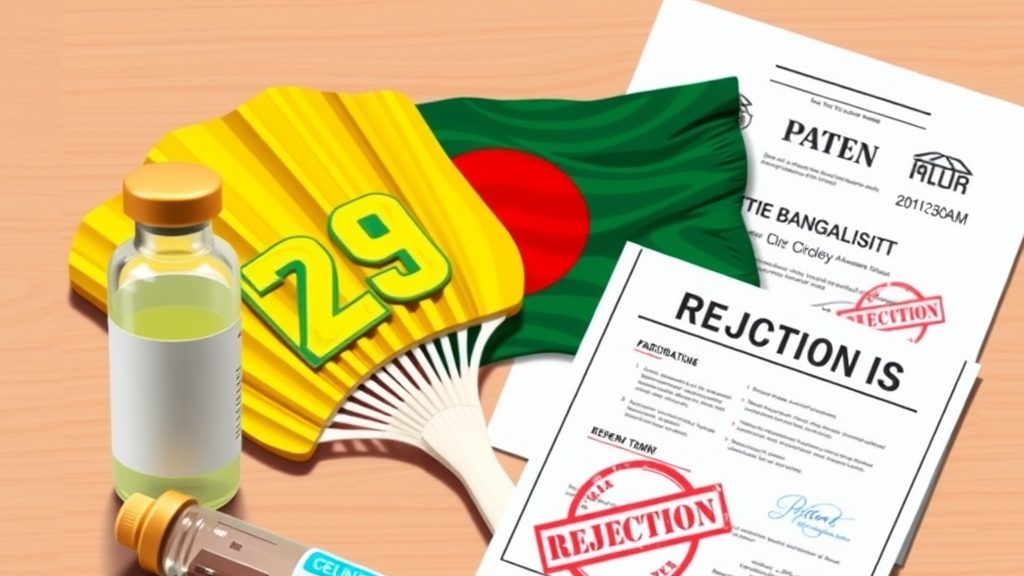
The latest SpicyIP Weekly Review covering November 16-22 surveys a cluster of significant Indian intellectual property developments spanning patent law, personality rights, and international trade provisions affecting medicine access.
Vertex Pharmaceuticals has appealed to the Delhi High Court after the Indian Patent Office rejected its patent application for Trikafta, a cystic fibrosis drug priced at Rs. 2.66 crore per year. The appeal revives debate over patent thickets surrounding essential medicines and the effectiveness of safeguards in the Patents Act to ensure patient access. The case is being examined for its implications on both drug patent standards and public health.
In a separate Delhi High Court development, the court has extended forum conveniens principles — previously applied in ABD Maestro — to patent, design, and trade secret disputes. This marks a shift from the court's traditionally expansive approach to territorial jurisdiction in IP suits, potentially limiting forum shopping by requiring a closer connection between the dispute and the chosen court.
The Madras High Court granted an interim injunction to Saravanan Hari, a Chennai Super Kings superfan known for painting himself yellow and displaying MS Dhoni's nickname and jersey number, against Blinkit for an advertisement that allegedly copied his persona. The two-part SpicyIP analysis notes the order blurs personality rights with passing off and questions whether celebrity status should matter for such claims.
Bangladesh's deferred graduation from Least Developed Country (LDC) status preserves its TRIPS pharmaceutical exemption until 2033. This extension maintains a pathway for authorized generic imports into India under Section 107A(b) of the Patents Act, potentially keeping life-saving medicines more affordable.
The Indian Patent Office rejected TB Alliance's patent application for the BPaL tuberculosis drug regimen in what SpicyIP describes as an unreasoned order. While welcomed by access-to-medicines advocates, the brief rejection raises concerns about adjudication quality, particularly regarding amended claims during prosecution. Separately, a Delhi District Court acquitted an accused in a counterfeit packaging case involving Mann & Hummel, citing failure to prove subsisting copyright, ownership, infringement, and the accused's knowledge, and emphasizing that serious IP allegations cannot lower the standard of proof.