
 Intellectual property news
Bangladesh's LDC Extension Preserves Generic Drug Exports Until 2029
UN deferral keeps TRIPS pharmaceutical exemptions intact, allowing Bangladeshi firms to supply low-cost generics globally.
The United Nations General Assembly last month adopted a resolution deferring Bangladesh's graduation from Least Developed Country (LDC) status to 2029, following a request from the Bangladeshi government. The country had met all three graduation thresholds and was originally scheduled to exit the LDC category this month. The extension maintains Bangladesh's access to World Trade Organization TRIPS Agreement flexibilities that exempt LDC members from most intellectual property obligations until July 2034, with a specific pharmaceutical exemption running until January 2033.
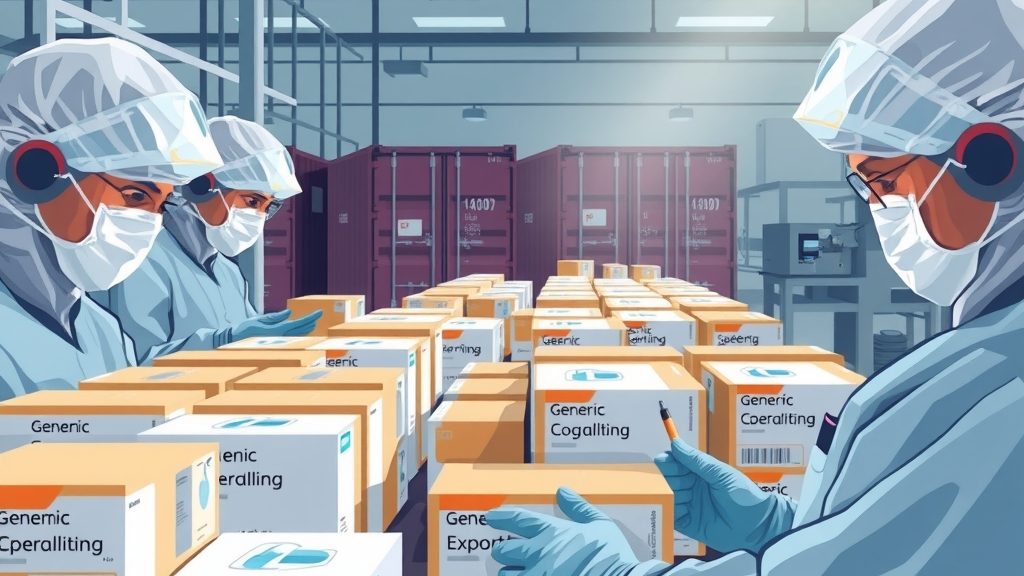
Under Section 6(2) of its 2023 Patent Act, Bangladesh suspends product patent protection for pharmaceuticals while retaining process patent coverage. This legal framework allows domestic manufacturers to produce and sell generic versions of patented medicines without seeking voluntary licenses from patent holders or pursuing compulsory licenses from the government. The policy, combined with the 1982 Drug Control Ordinance, has helped build a pharmaceutical sector that now exports to 151 countries across Europe, the Americas, the Middle East and Central Asia.
The LDC exemption also permits Bangladesh to export generics to other LDCs and to non-LDC countries where a medicine is unpatented or where the importing government has issued a compulsory license. A notable example emerged in 2025 when Bangladeshi firm Beximco, working with patient groups Just Treatment and Third World Network, supplied a generic version of the cystic fibrosis drug Trikafta at $6,375 to $12,750 per year — compared to the patented price of approximately $370,000 annually.
The extension has implications beyond Bangladesh's borders. India, classified as a developing country with full product patent obligations since 2005, relies on Section 107A(b) of its Patents Act to import patented medicines from suppliers "duly authorised under the law." A 2026 Delhi High Court decision in K K Bansal v. Koninklijke Philips Electronics N.V. upheld this interpretation, ruling that authorisation under the seller's jurisdiction — such as Bangladesh's LDC exemption — suffices. That ruling is currently under appeal at the Supreme Court of India.
Analysts note that graduation dates are not fixed; the 2029 deadline could also shift. A premature exit would abruptly remove the Article 66.1 flexibilities that underpin Bangladesh's role as a supplier of affordable medicines, particularly for cancer and antiviral treatments, to patients and health systems worldwide.