
 Intellectual property news
Google's Patent for Personalized AI TV Channel Starring Viewers Rejected
A Google patent application for a 'My Channel' feature that would generate AI videos with users as protagonists has been rejected, according to a new report.
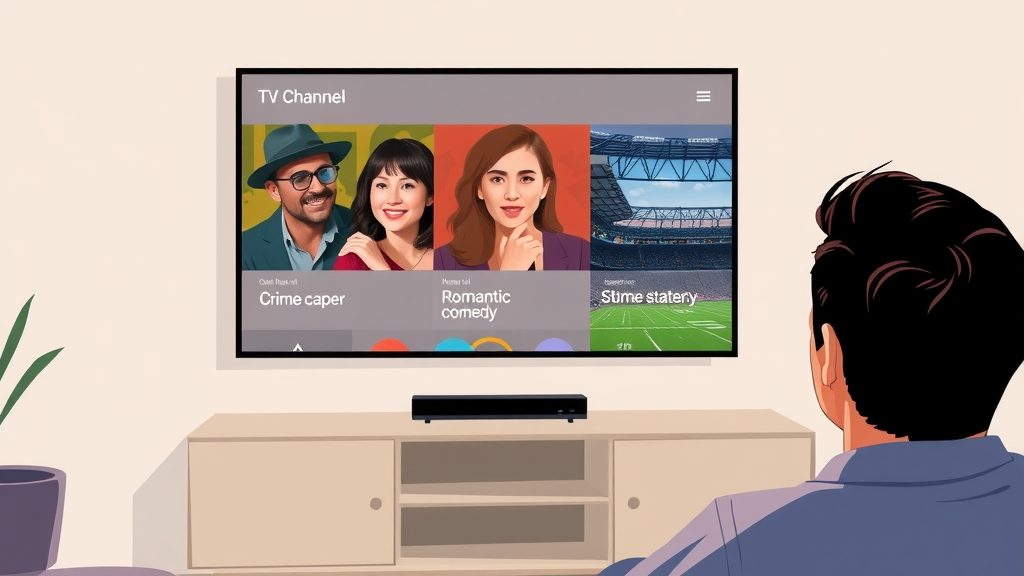
Google has seen a patent application rejected for a system that would generate personalized television channels starring individual viewers as the lead characters, according to a report from Patentlyze cited by Digital Trends. The application, titled "Creating a Channel of Video Experiences Tailored to a User," was originally filed on May 13, 2025, and describes a "My Channel" feature within a TV app that would automatically produce new video content tailored to each user.
The system outlined in the patent would draw on a viewer's watch history, device location, language preferences, and age group to construct prompts for a large language model, which would then generate original videos. Illustrations included with the filing depict a living-room television labeled "John's Channel" offering categories such as "crime/comedy caper" and "fun romantic comedy." A scheduling function would allow the channel to refresh weekly, monthly, or yearly without manual requests, and an ad stitcher could insert commercials before playback.
Beyond simply recommending existing content, the patent describes two modes of personalization that go significantly further than current offerings from Google TV, FAST channels, or YouTube TV's autoplay. One version would create an avatar from the user's photos and synthesize their voice so they appear as the protagonist throughout an entire generated narrative, with prompts instructing the model to incorporate the user's name, age, gender, and profile picture. Another template would place the viewer directly into live-action scenarios, such as cheering from the stands during a Cricket World Cup match after watching a batting clip.
The rejection of the application underscores the gap between speculative patent filings and product reality. Companies routinely seek protection for concepts that never reach market, and the patent office's decision suggests the claims may not meet novelty or non-obviousness requirements. For the IP landscape, the filing and its rejection illustrate how major tech firms are staking out positions in AI-generated personalized media, even as legal and technical hurdles remain.
While Google already operates tools that generate AI video, the patent envisioned broadcasting such content on a living-room channel with the viewer's likeness and cloned voice integrated — a step that raises separate questions about publicity rights, deepfake policies, and consumer appetite. The patent office's rejection does not preclude Google from pursuing similar ideas through continuation applications or revised claims, but it signals that the broad concept as filed will not receive protection in its current form.