
 Intellectual property news
USPTO Ends Anonymous Patent Searching With New Login Mandate
Starting December 4, 2026, the USPTO will require a registered account and multi-factor authentication to access its Patent Public Search tool.
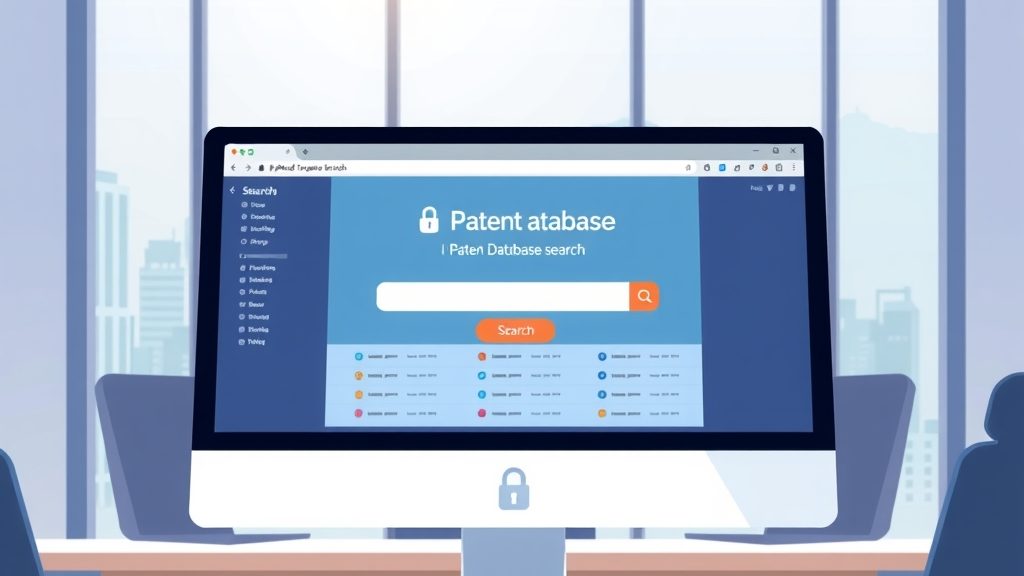
The United States Patent and Trademark Office is ending anonymous access to its patent databases. Beginning December 4, 2026, users of the Patent Public Search tool must sign in using a verified USPTO account. This update means that no USPTO tool for searching patents or reading file histories will remain open to unregistered visitors.
The shift follows similar closures for other agency systems. The Patent Center stopped welcoming nonregistered guests in September 2025, and the Open Data Portal added an account requirement in June 2026. Global Dossier is also listed among the tools that now demand user sign-in credentials.
Obtaining a basic USPTO account requires providing a name, email address, phone number, and mailing address, along with passing a reCAPTCHA check and accepting terms of use. Users must then activate the account via email and set up multi-factor authentication using an authenticator app or a security key. The agency does not accept text or email code verification for sign-in.
The agency states that the security measure aims to enhance site security, preserve efficiency, and block costly bot traffic while helping monitor data miners. However, educators note that the barrier complicates teaching students how to look up patents. Unlike the USPTO, the European Patent Office still allows anonymous access to its Espacenet and European Patent Register tools while managing automated traffic through rate limits.
For intellectual property professionals and the public, this change marks the end of decades of completely open, anonymous patent searching. While basic accounts require less detailed verification than private client docket access, the added login layer creates a new hurdle for general public access to government patent records.